● ATTERBERG LIMITS TEST
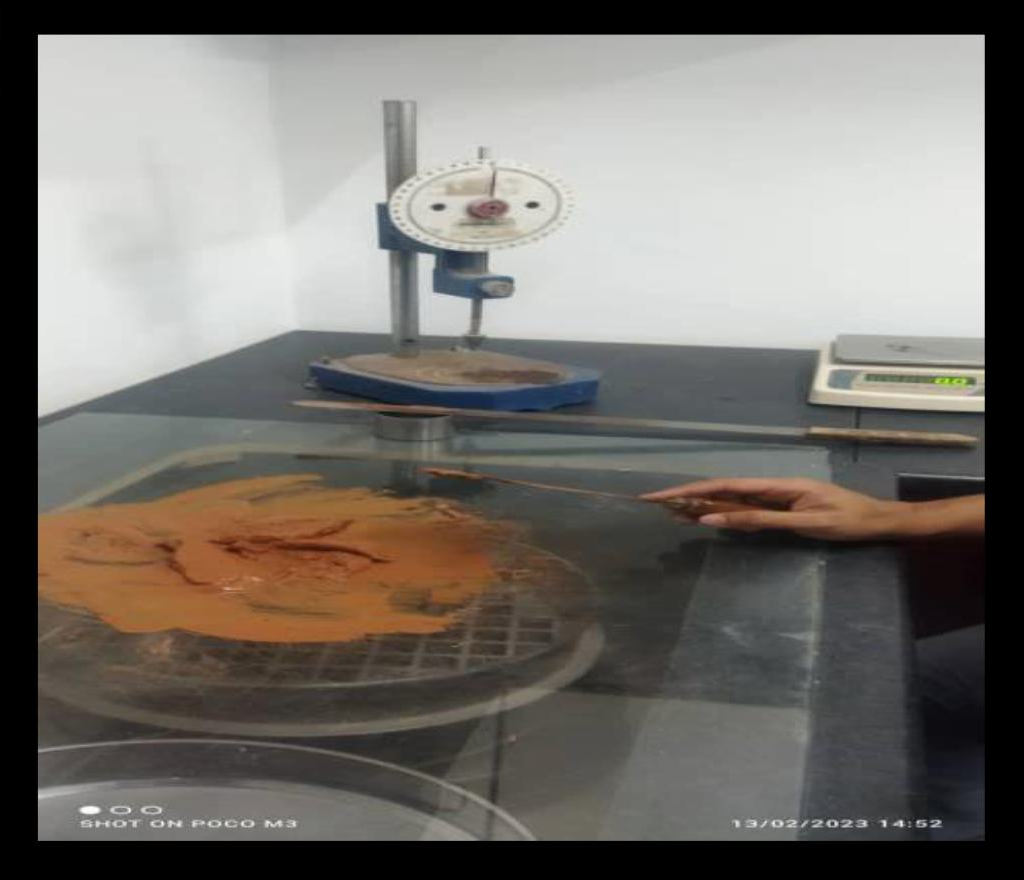
• The Atterberg Limits are a basic measure of the nature of a fine-grained soil. Depending on the water content of the soil, it may appear in four stages: solid, semi-solid,plastic and liquid. Atterberg Limits test is to determine platicity index (PI) by measuring th plasticity of a soil. The PI is the difference between the liquid limit (LL) and the plastic limit (PL). Soils with a high tend to be clay, those with a lower PI tend to be silt.
• The Plastic Limit (PL) is the water content where soil starts to exhibit plastic behavior. A thread of soil is its plastic limit when it is rolled to a diameter of 3mm and crumbles.
• The Liquid Limit (LL) is the water content where a soil changes from liquid to plactic behavior. Method for measuring the liquid limit is the Cone Penetrometer test. It is based on the measurement of penetration into soil of a standardized cone of specific mass.
• PI value will determine the suitability of soil for filling material either it suitable materials or unsuitable material.
_________________________________________________
● SPECIFIC GRAVITY
The ratio of the unit weight of a materials to the unit weigth of distilled water at 4 degree centigrade is a common definition of specific gravity. Soil specific gravity however are normally referred to the weight of water at 20 degree centigrade. In itself the specific gravity is not an index properly of a soil. It is, however required for determination of the unit weight of a soil and in many computation.
● PARTICLE SIZE ANALYSIS
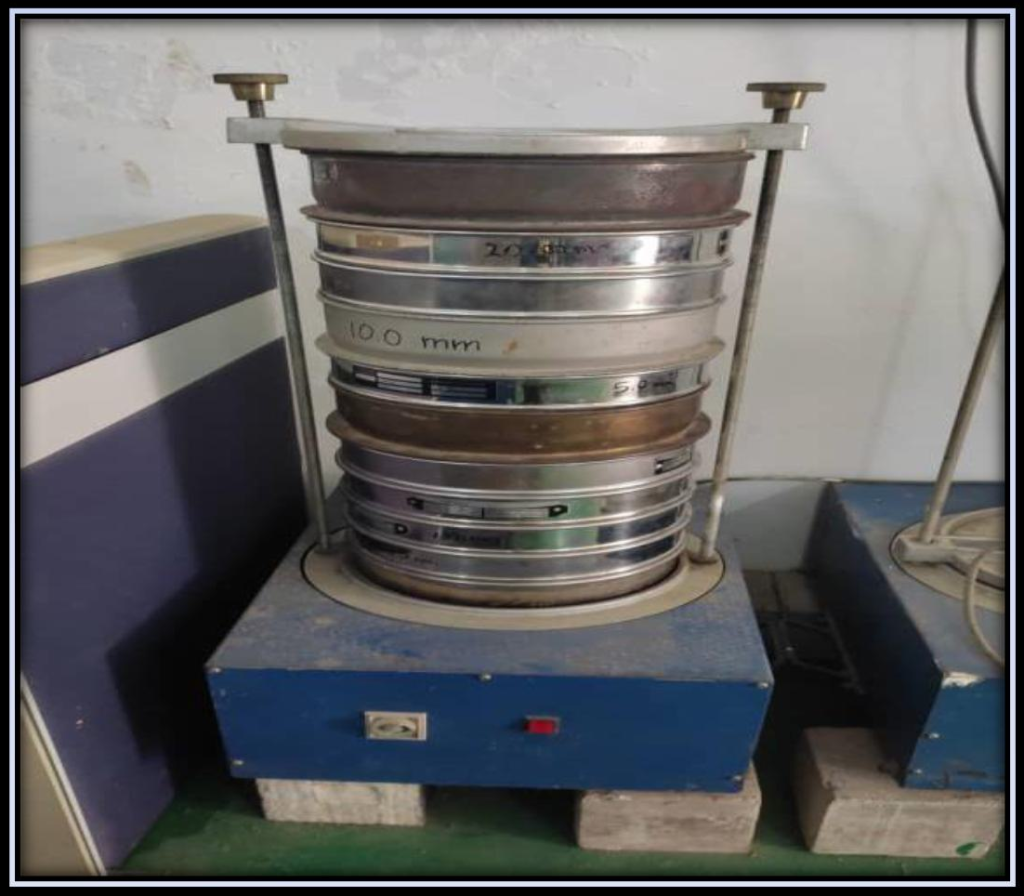
In this test a riffled sample of soil is washed over a series and the percentages passing each sieve are determined and shown graphically on grading chart. This provides a method of determining the proportions of course, medium and fine silt and clay in a soil sample. From the proportions percentage the soil classification could be determined.
_________________________________________________
● PROCTOR TEST
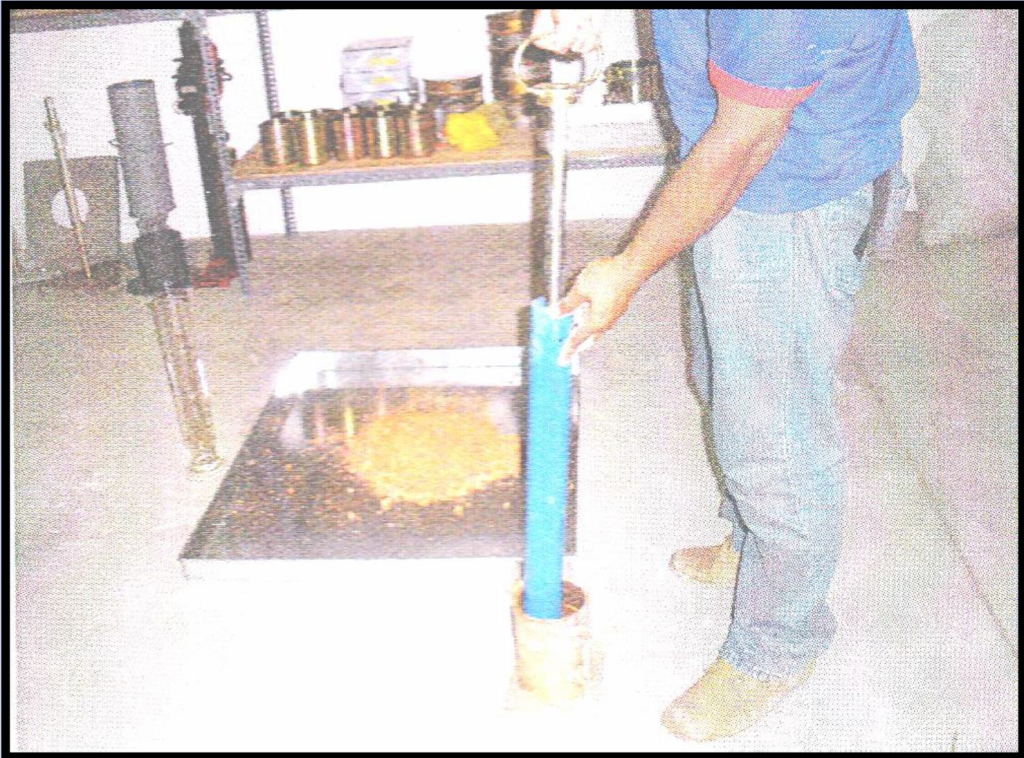
The proctor compaction test and the related modified proctor compaction test are test to determine the maximum practically-achievable density of soils and aggregate and frequently used in geotechnical engineering. The test consists of compacting the soil or aggregate to be tested into a standard mould using a standardised compaction at severel different moisture content. The maximum dry density (MDD) and optimum moisture (OMC )is determined from the result of the test. The value of MDD and OMC would be used to determine the field compaction degree by dividing the field bulk density maximum dry density.
_________________________________________________
● CALIFORNIA BEARING RATIO
- The California bearing ratio is a penetration test for evaluation of the mechanical strength of road subgrades and basecourse. It was developed by the California Department Of Transportation. The test is performed by measuring the pressure required to penetrate a soil sample with pluger of standar area. The CBR value is normally used as either a guide the design of road layer thickness or to access compliance of sub-grade against minimum spesification CBR value.
- Soaked CBR laboratory test is to determine the CBR value of a soil tested in the laboratory with a selected surcharge weight as overburden pressure and soak in the water for certain time limit, by causing a cylindrical plunger to penetrate the soil at a given rate and comparing the relationship between force and penetration into the soil to that for a standard material. The material is first prepare in moulds to three know density and moisture content, to access the materials CBR performance at varying levels of compaction and moisture.
- In-situ CBR is performed at site by directly force the cylindrical plunger to penetrate the soil at a given rate to determine the in-situ CBR value.